
Get DaddyDuty free

The science

Built on what we know about bedtime.

Five findings from sleep research, and what each one changed in DaddyDuty. Every source is linked, and every one was read in full or in abstract before it went here.

01 Survey of 10,085 families + randomized trial

The same routine, every night

Young children with a bedtime routine every night tend to fall asleep sooner, wake less and sleep longer than children who rarely have one.

The more nights a week a family keeps a routine, the better the sleep, in a dose-dependent way. In a randomized trial, toddlers with a short nightly routine had fewer and shorter night wakings within two weeks, and their mothers' mood improved too.

What we built

DaddyDuty never changes its shape: the same three notes, the same narrator, the same Lights Out, night after night. It's built to be the last step of your routine, after bath, teeth and a cuddle.

02 4,274 children followed from birth

Stories at bedtime

Children whose parents read, sang or told stories at bedtime at age 3 slept about 12 minutes longer a night at age 5, and had stronger verbal skills.

That's from a study that followed 4,274 children. Stories are one of the oldest parts of the bedtime routine, and one of the few with long-term data behind them.

What we built

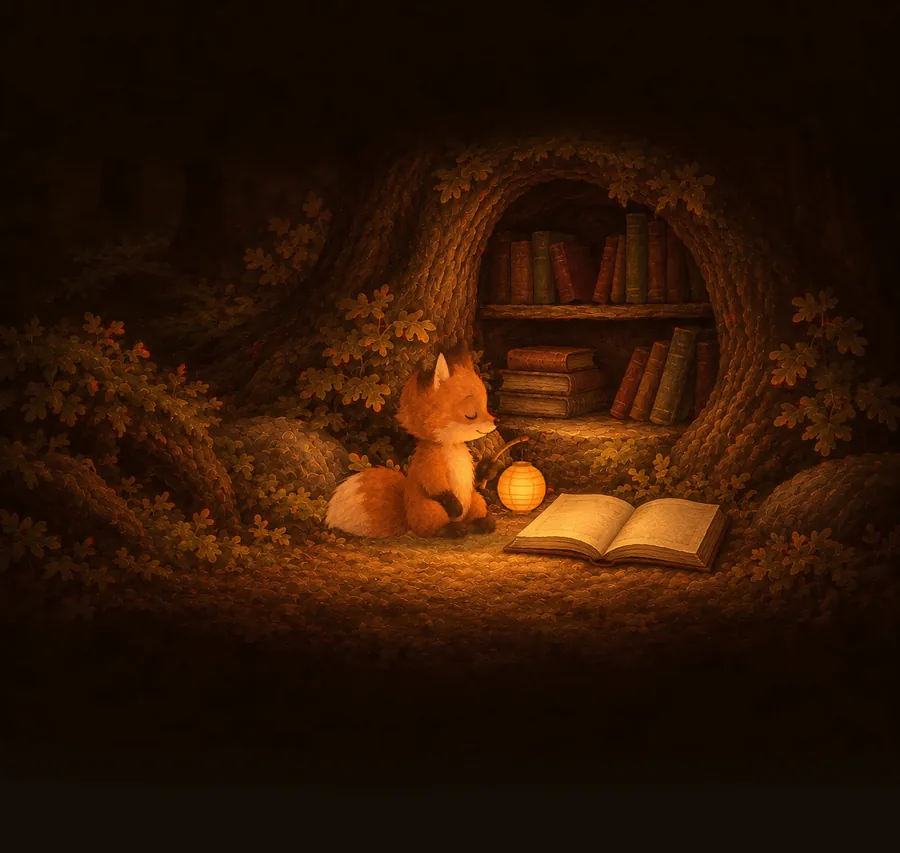
Every night is a story, read aloud, with your child's name in it. Each word glows as the narrator reads it, so they can follow along.

03 Controlled studies of children aged 3 to 5

Light keeps little bodies awake

An hour of light before bed, even dim or warm light, lowered preschoolers' melatonin and moved their body clocks later.

Young children are far more sensitive to evening light than adults. Warm 2700K light softens the effect but doesn't remove it, which is why “blue light filters” alone aren't the answer.

What we built

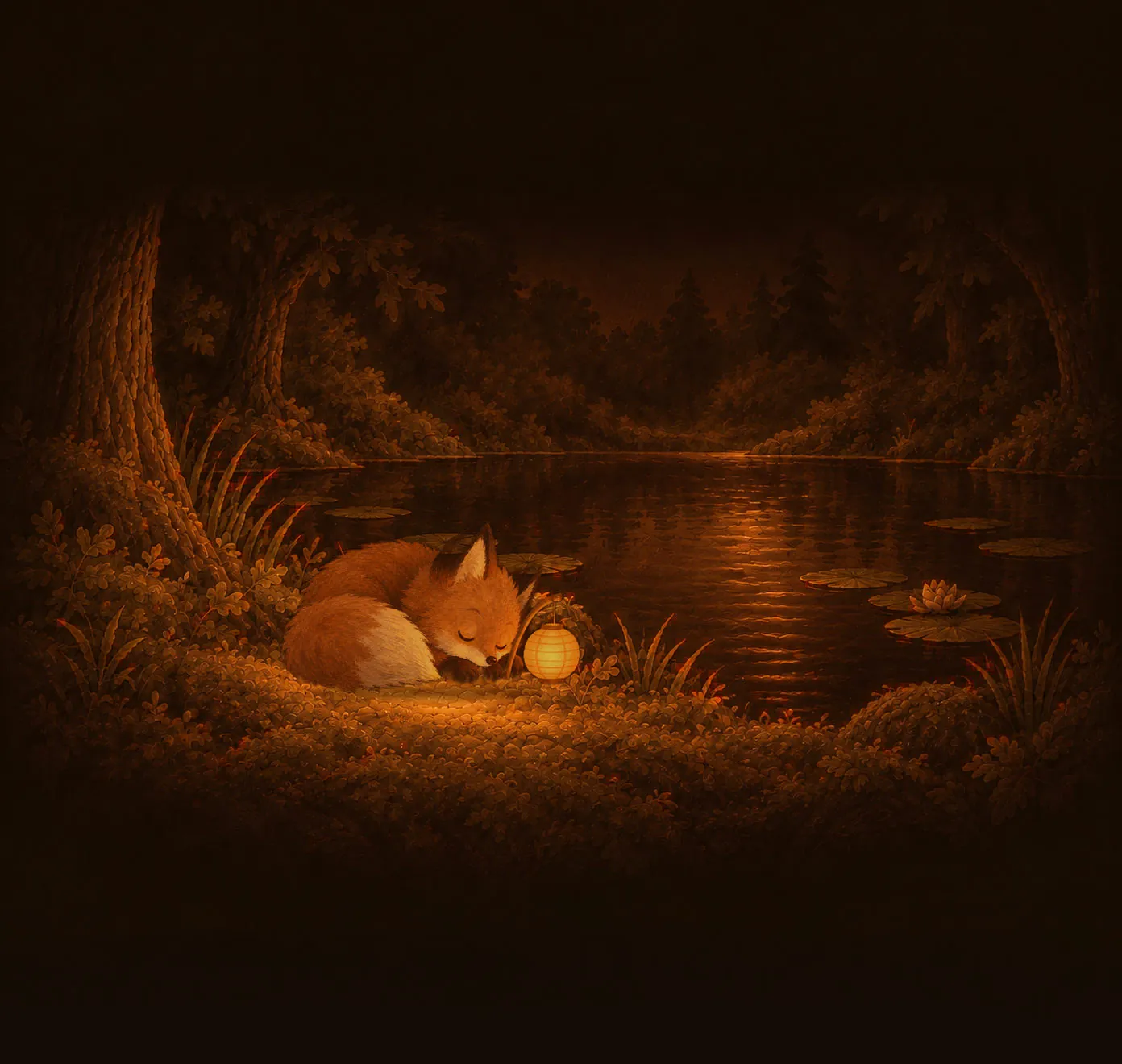
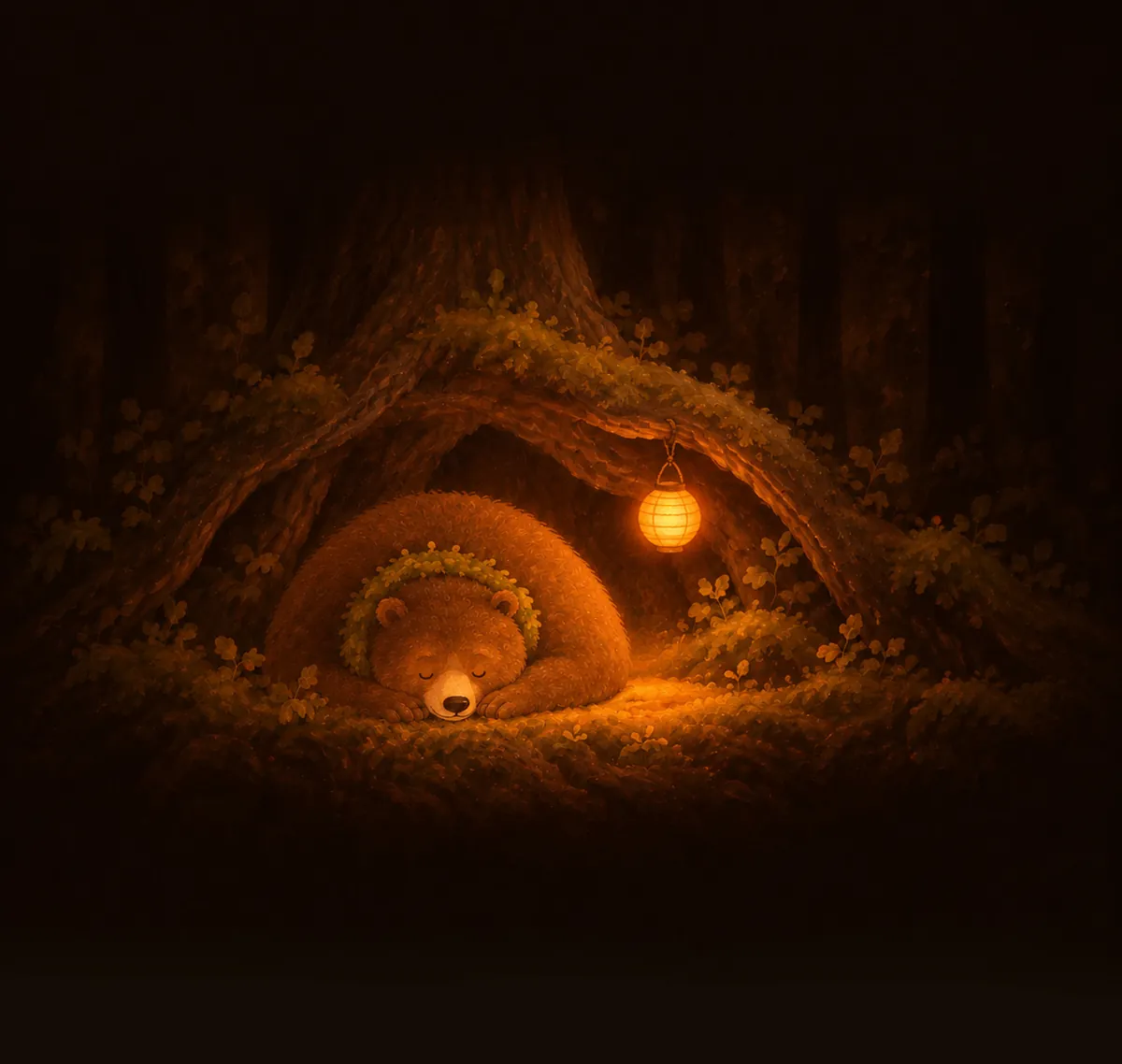
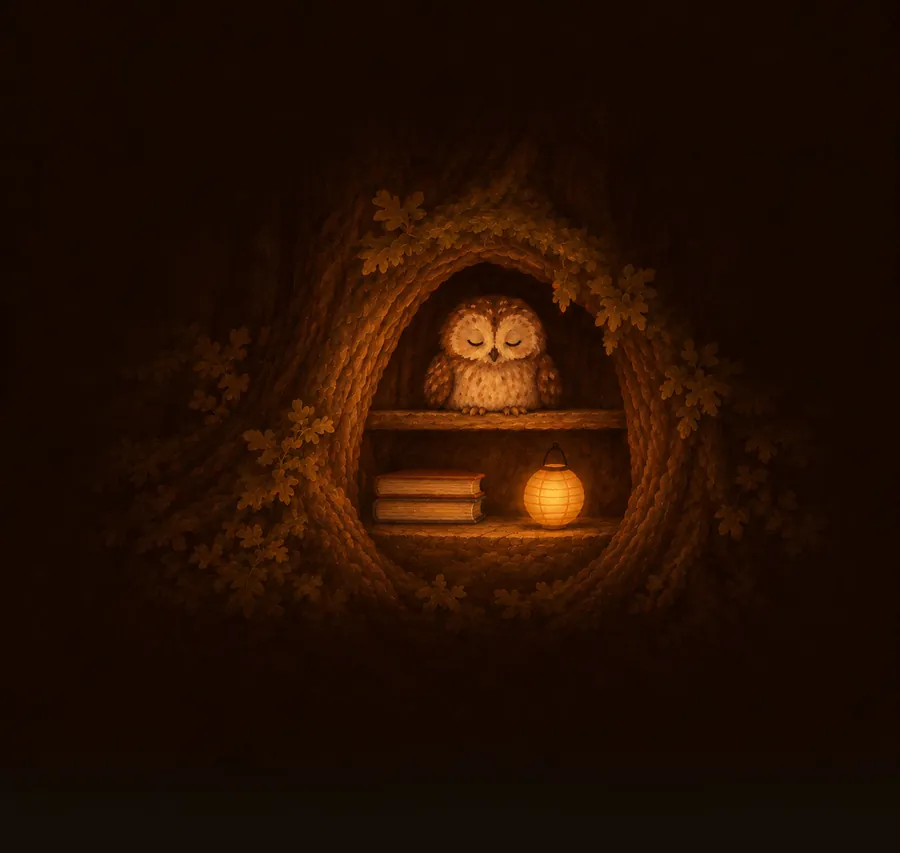
The pictures are warm amber, they dim as the story goes, and they end within 10 minutes. Then the screen goes true black, pixels off, for the rest of the night.

04 AAP policy statement and technical report, 2026

Screens that never end

Pediatricians point to more than light: arousing content, devices in the bedroom, notifications, and design that keeps kids watching, like autoplay.

The American Academy of Pediatrics' 2026 policy calls the evidence on digital media and children's sleep strong, and names engagement design as one of the reasons.

What we built

No autoplay. No ads. Nothing fast and nothing that plays next. The story ends at the minute you pick, and the screen stays dark.

05 Systematic review (adults) + measured devices

Nothing ever gets louder

In sleep research, sudden peaks in sound are what wake people, and sound machines turned up high near a child can reach unsafe levels.

Each 10 decibel rise in a noise event's peak raised the odds of waking by about a third in adult sleep-lab data. Infant sleep machines at full volume all measured louder than the limit recommended for hospital nurseries.

What we built

After Lights Out, the narration slows and softens, the music thins out, and no sound ever spikes. When the story ends, the music fades away over three minutes.

The straight answer on screens.

Pediatricians (the AAP) advise no screens in the hour before bed and no devices in the bedroom. DaddyDuty doesn’t meet that advice, and we won’t pretend it does.

What we built is the bedtime screen we’d want if there’s going to be one: a few warm minutes that dim and then go fully dark, a story that carries on without the picture, and an ending that comes on time with nothing after it.

These studies looked at routines led by parents and at evening light, not at DaddyDuty itself. When there’s a study of DaddyDuty, it will be on this page.